
Understanding the Fundamentals of Sports Broadcasting
What is Sports Broadcasting?
Sports Broadcasting refers to the dissemination of sports events and related content via various media, including television, radio, and digital platforms. The primary objective is to deliver live or recorded sports programming to viewers and listeners, allowing them to engage with their favorite teams and personalities. Effective sports broadcasting combines the art of storytelling and the technical aspects of production, providing audiences with compelling narratives and real-time action. To understand the intricacies of this field, one must navigate through various components, including broadcasting criteria, audience engagement, and technological advancements. Indeed, Sports Broadcasting has become a crucial pillar in the media landscape, influencing both fans and athletes alike.
The Evolution of Sports Broadcasting
The journey of sports broadcasting began in the early 20th century, primarily with radio broadcasts of sporting events. As technology evolved, so did the methods of transmission. The introduction of television revolutionized the industry, offering viewers an immersive experience. Initially, broadcasts were limited to a few major events, but gradually, an increasing number of games and tournaments became available for broadcast. In recent years, the rise of internet streaming and social media has drastically changed the landscape, allowing for global reach and interactive engagement. This evolution not only transformed how sports are consumed but also reshaped viewer expectations and experiences, making it essential for broadcasters to adapt continuously.
The Role of Broadcast Media in Sports
Broadcast media plays a multifaceted role in the sports industry. It serves as a primary revenue source for sports organizations through advertising and sponsorship deals. Moreover, it enhances fan engagement by providing access to live events, expert commentary, and in-depth analysis. Broadcasters play a significant role in promoting sports personalities and events, essentially shaping public perception and nurturing fan loyalty. By delivering quality content that resonates with viewers, sports broadcasters can build strong audiences, cultivate community, and drive passion around various sports.
Key Techniques in Sports Broadcasting
Essential On-Air Presentation Skills
On-air presentation skills are critical for any sports broadcaster aiming to captivate their audience. This includes verbal communication, body language, and the ability to convey enthusiasm and emotion. Broadcasters must also develop a deep understanding of the sports they cover, allowing them to provide relevant insights and highlight key moments during broadcasts. Moreover, effective storytelling can enhance viewer engagement by creating connections between the audience and the content, making it essential for broadcasters to master these skills.
Understanding Live Sports Production
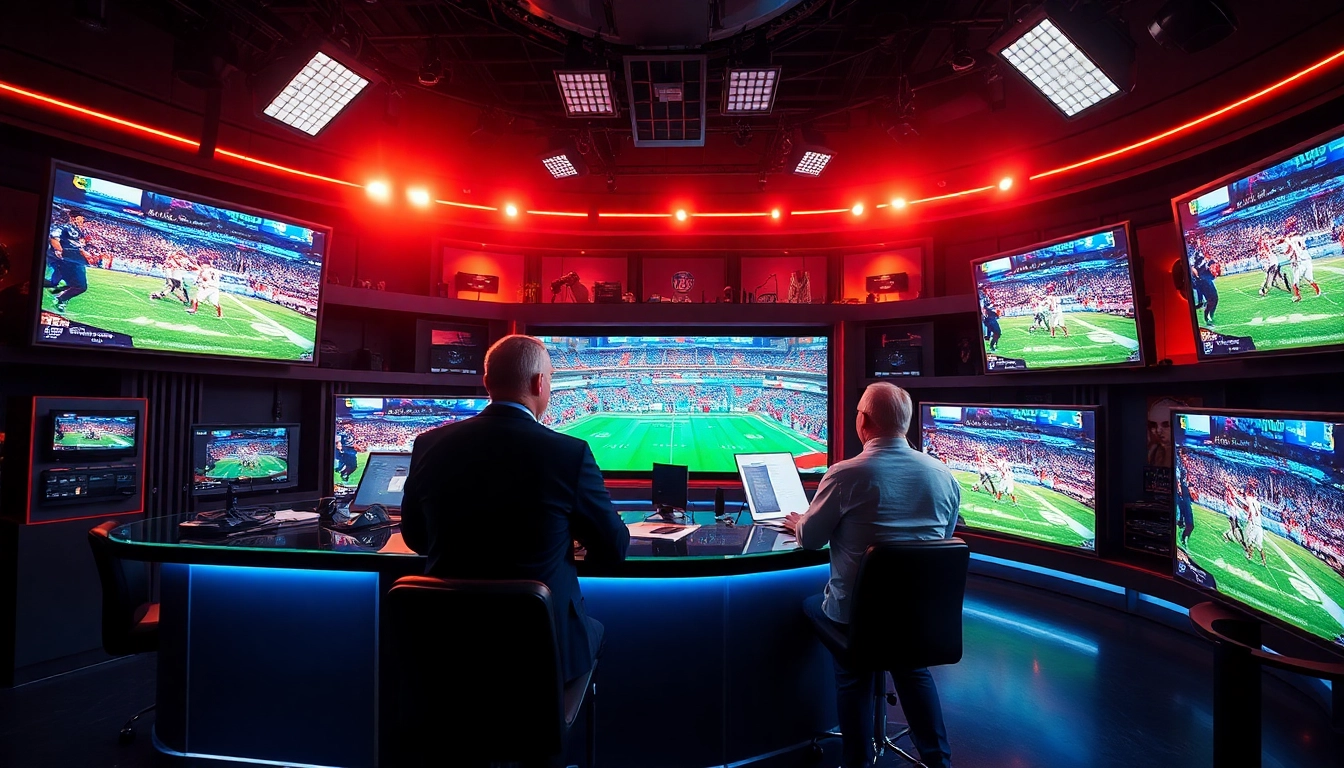
Live sports production involves multiple components working in harmony to deliver content to viewers in real-time. This encompasses everything from camera placement and audio management to graphics and replay systems. Broadcasters and producers must coordinate effectively, ensuring that all technical elements align seamlessly during a broadcast. Understanding the nuances of live production allows broadcasters to adapt quickly to unforeseen circumstances, ensuring a smooth viewing experience for the audience.
Analyzing Audience Engagement Strategies
Engaging the audience is paramount in sports broadcasting. Strategies may include utilizing social media platforms for real-time updates, conducting polls or live Q&A sessions with fans, and employing interactive graphics during broadcasts. This creates a two-way communication channel where audiences feel more involved in the content. Furthermore, tailoring content to specific demographics can enhance viewer retention and foster loyalty, as audiences are more likely to engage with broadcasts that resonate with their preferences.
The Tools and Technologies Behind Sports Broadcasting
Camera and Audio Equipment Essentials
The backbone of any successful broadcast lies in the quality of its equipment. High-definition cameras equipped with multiple lenses allow broadcasters to capture every angle of the event, while professional-grade microphones ensure crisp and clear audio. The placement of these cameras plays a vital role in storytelling; hence, strategic positioning is essential. Equally important is the use of broadcasting consoles, which enable seamless transitions between multiple camera feeds and audio inputs, creating a polished and professional broadcast.
Software Used in Broadcasting
Various software applications are integral to modern sports broadcasting, facilitating everything from editing and graphics creation to live streaming. Tools like video editing software can help create highlights packages that are instrumental in audience retention. Moreover, integration of automated graphics systems enhances storytelling by providing essential stats and information in real-time, improving viewer understanding and engagement. Familiarity with these tools provides broadcasters an edge, allowing them to maintain high production values under pressure.
How to Utilize Streaming Platforms Effectively
Streaming platforms have become paramount in sports broadcasting, offering flexibility and access beyond traditional media. Leveraging these platforms can provide broadcasters with innovative ways to engage audiences, such as behind-the-scenes content, live chats, and exclusive interviews. To utilize them effectively, it’s crucial to ensure high-quality streams, engaging content, and consistent scheduling. Additionally, understanding analytics from these platforms can help broadcasters tailor their content to audience preferences, further increasing engagement and reach.
Current Trends Shaping Sports Broadcasting
The Impact of Social Media on Broadcasting
Social media has revolutionized how sports broadcasting functions, enabling real-time interaction between fans and broadcasters. Platforms like Twitter, Instagram, and Facebook allow broadcasters to provide live updates and engage audiences during events, fostering a community atmosphere. This interaction enhances viewer loyalty and provides vital feedback, allowing broadcasters to adapt their strategies. Moreover, the shareability of content on social media can significantly amplify reach and visibility for sporting events.
Benefits of Interactive Sports Broadcasting
Interactive sports broadcasting allows viewers to participate actively in the event experience, transforming passive viewers into involved participants. This can manifest in various formats, such as live polls, trivia games, and viewer-submitted questions for commentators. Such engagement strategies foster a sense of belonging and investment among viewers, particularly among younger demographics who crave interactive experiences. Additionally, interactive broadcasts can yield invaluable data about viewer preferences, enabling broadcasters to refine their content strategies.
Future Trends in Sports Broadcasting
As technology advances, several trends are expected to shape the future of sports broadcasting. The rise of augmented reality (AR) and virtual reality (VR) is poised to provide immersive viewing experiences that bring fans closer to the action. Enhanced data analytics will also play a crucial role, allowing broadcasters to deliver personalized content to viewers based on their behavior and preferences. Additionally, growth in subscription-based platforms may redefine revenue models, shifting focus from traditional advertising to direct consumer payments for exclusive content.
FAQs About Sports Broadcasting
What skills are important for a sports broadcaster?
Key skills include communication, knowledge of sports, presentation, and analytical skills necessary to captivate an audience and provide insightful commentary.
How do sports broadcasters prepare for live events?
They study teams, gather statistics, create storylines, and discuss strategies with production teams to ensure in-depth coverage and smooth transitions during broadcasts.
What technology is critical for sports broadcasting?
High-quality cameras, professional audio equipment, and advanced broadcasting software are essential for producing engaging and polished content for audiences.
How has social media changed sports broadcasting?
Social media facilitates real-time engagement and interaction, allowing broadcasters to connect with fans directly and share updates and content immediately.
What are future trends in sports broadcasting?
Increased use of AR/VR for immersive experiences, interactive streaming options, and personalized content delivery are anticipated within the evolving landscape.